

Choosing the right Japanese sickle
Japanese sickles are simple, fast, and precise. Pick the right pattern and you cut cleaner, bend less, and disturb fewer roots. This guide compares weeding, grass, harvest, and crevice styles so you can match the tool to the job.
If you want to see the full range, browse our Japanese sickles and weeders collection.
How Japanese sickles differ
Weeding sickle
An angled blade slices just under the soil crust to lift seedlings and lateral roots. It is best for beds and paths where you need precision around plantings.
Grass sickle
A curved edge suits sweeping cuts on soft growth. It trims lawn edges, kikuyu that creeps into beds, and long grass around posts. Think quick maintenance with little soil disturbance.
Harvest / serrated sickle
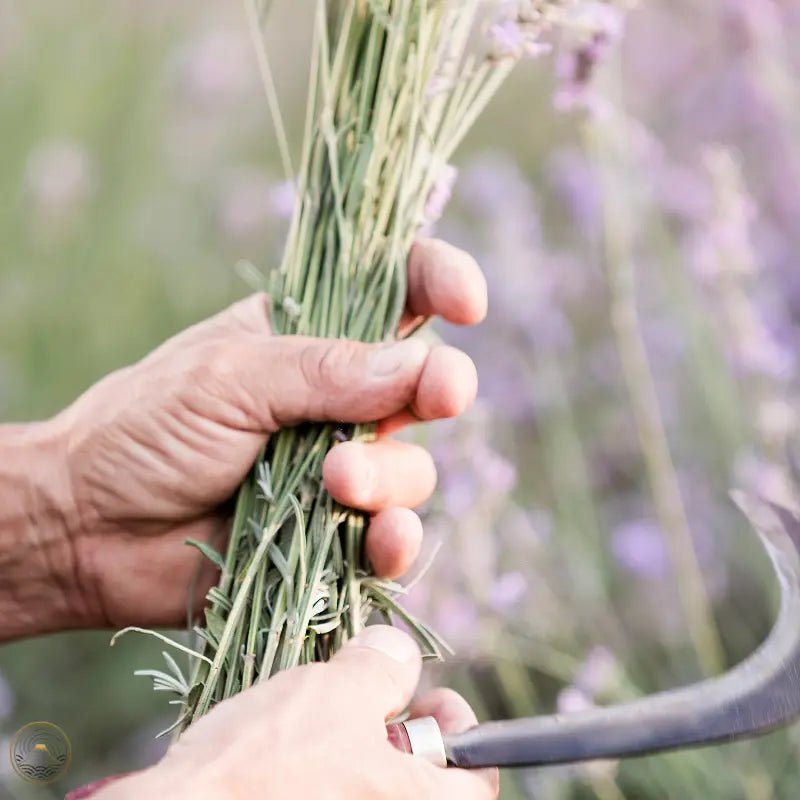
Saw-tooth edges grip fibrous stalks and woody stems. They shine on herbs, canes, and tough grasses where a smooth edge skates. See the double-sided serrations on our Takemoto harvest sickle for a clear example.
Crevice / knock knock sickle
A pointed tip and compact blade help cut weeds from joints and wall lines. It cleans along kerbs, pavers, and fence bases. Stainless versions suit wet or coastal spots. The Shozo stainless knock knock sickle is built for this.
Steel and construction
Most traditional sickles use carbon steel. It sharpens fast and bites into growth. Many keep a kurouchi blacksmith’s finish that helps with light corrosion resistance and reduces glare. Stainless blades resist rust and suit damp beds, but usually trade a little bite for low maintenance. For a deeper dive on why forged carbon steel matters, see our short explainer on forged carbon steel.
- Carbon steel: takes a keen edge, patinas over time. Wipe dry after use.
- Stainless steel: lower maintenance near sprinklers, ponds, and coastal air.
- Laminated blades: a hard cutting core clad with softer steel for toughness and easier sharpening.
Which sickle for which task
Bed weeding and fine work
Use a light weeding or round-blade pattern. A round profile lets you skim under the surface with short pulls. The Hounen Kazakari round-blade sickle is balanced for this job.
Edges, gravel, and hard lines
Reach for a crevice tool. A knock knock sickle’s pointed nose slides into joints and helps lift root lines. Stainless is a smart choice if you leave it in the ute or work after rain. The Shozo stainless knock knock sickle suits kerbs and pavers.
Harvesting and tough stems
Serrations hook and sever fibres without crushing the stem. They also grip cane and woody weeds. The Takemoto serrated harvest sickle is built for this kind of pull cut.
Mixed beds and general garden work
If you want one tool, choose a medium round-blade weeding sickle and keep it sharp. It trims grass, lifts annual weeds, and does light harvests. Pair it with a crevice sickle if you have a lot of paving, or with Japanese digging tools for planting and soil work.
Case study: Miki City makers
Many sickles come from Miki, Hyogo. It is a historic metalworking town with centuries of forge work behind everyday tools. Small shops still laminate and heat-treat blades in batches, hand-setting tangs and fitting timber handles. That is why a light sickle can feel lively and cut clean without chatter.
Takemoto and other makers in the region keep simple tool geometry and good heat treatment. The result is reliable edge holding and easy maintenance. You sharpen a few strokes and get back to work.
How to use a sickle safely and efficiently
- Work on the pull stroke. Keep the blade low and let the edge do the cut.
- For weeds, skim 5–10 mm below the surface to sever crowns and runners.
- For grass, sweep in arcs. Keep wrists neutral and use your shoulder to guide.
- In crevices, insert the tip, lift the root line, then pull to sever.
- For harvest, hook the serrations and pull through the stem in one motion.
Care and sharpening
Wipe down after use. Dry the blade and handle. A drop of camellia oil keeps rust at bay on carbon steel. Touch up the edge with a fine stone. For serrated harvest blades, stone the back lightly and refresh the peaks with a small file as needed. For a step-by-step routine, see our care and maintenance guide or browse Japanese tool care and sharpening.
Why this matters in Australia
Warm seasons push quick growth. Kikuyu, buffalo runners, and couch creep into beds. A sharp sickle lets you cut low and clean without tearing soil. That means fewer weeds returning and less water loss. Stainless is helpful near reticulation. Carbon stays the sharper cutter for dry bed work.
Conclusion
Match the pattern to the task and maintenance stays simple. For crevices consider the Shozo stainless knock knock. For beds look at the Hounen round-blade. For tough stems the Takemoto serrated sickle saves time. To compare the full range, start with Japanese sickles and weeders or the broader Japanese garden tools collection.
Leave a comment